THE LIGHTS WHICH CAN BE HEARD – LE DERNIER SON DES AURORES
SÉBASTIEN ROBERT
Installation and visual art
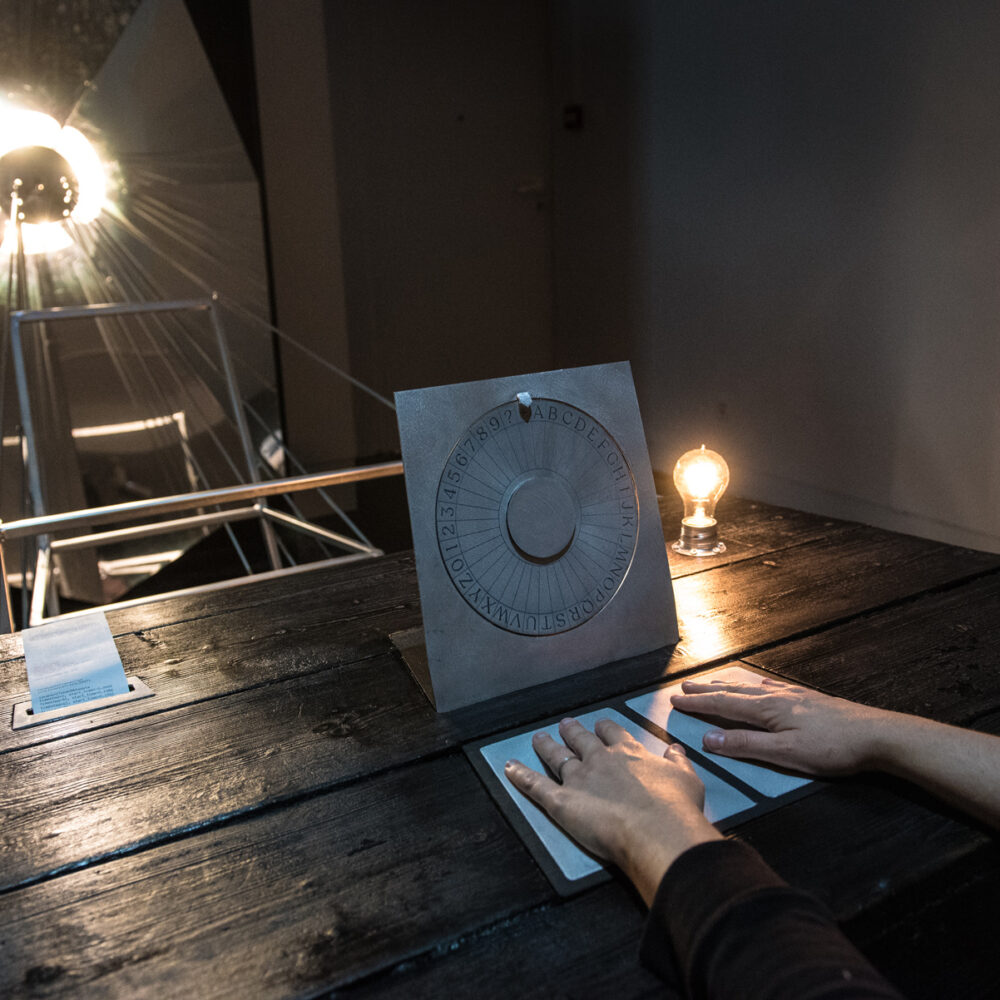
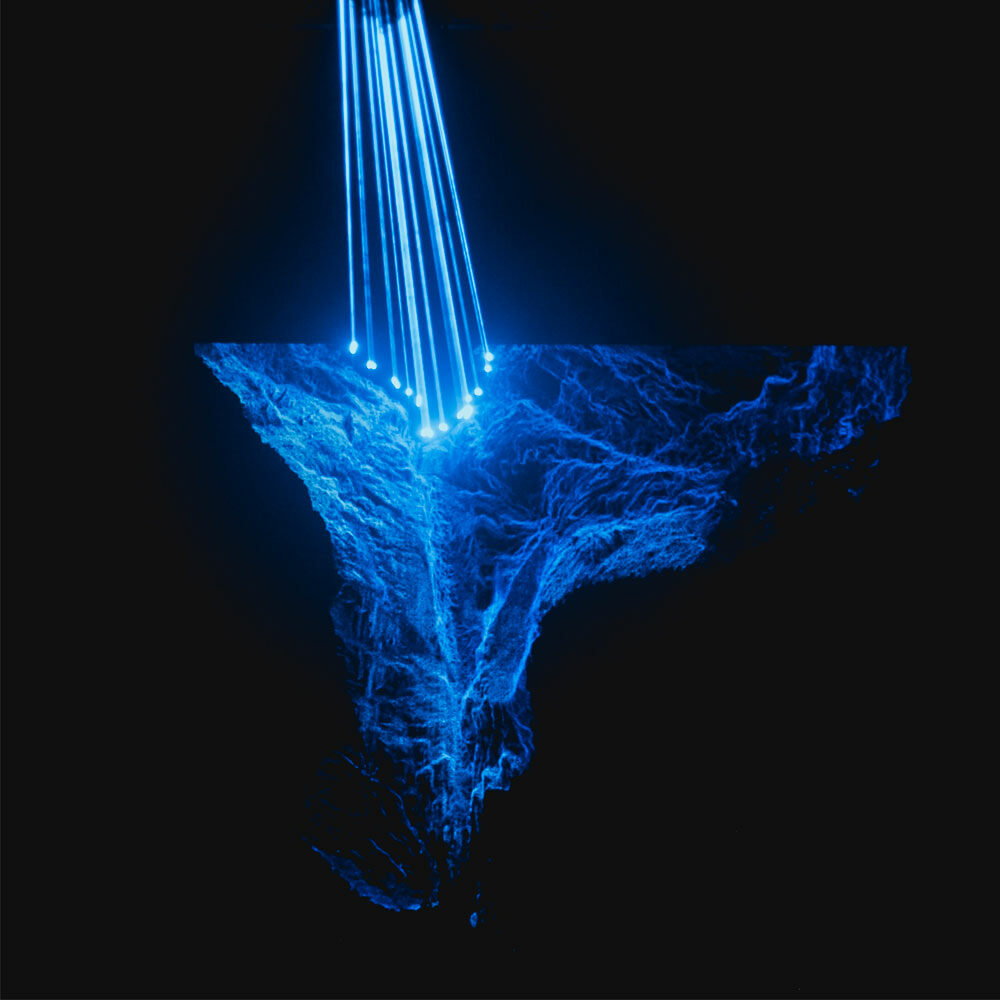
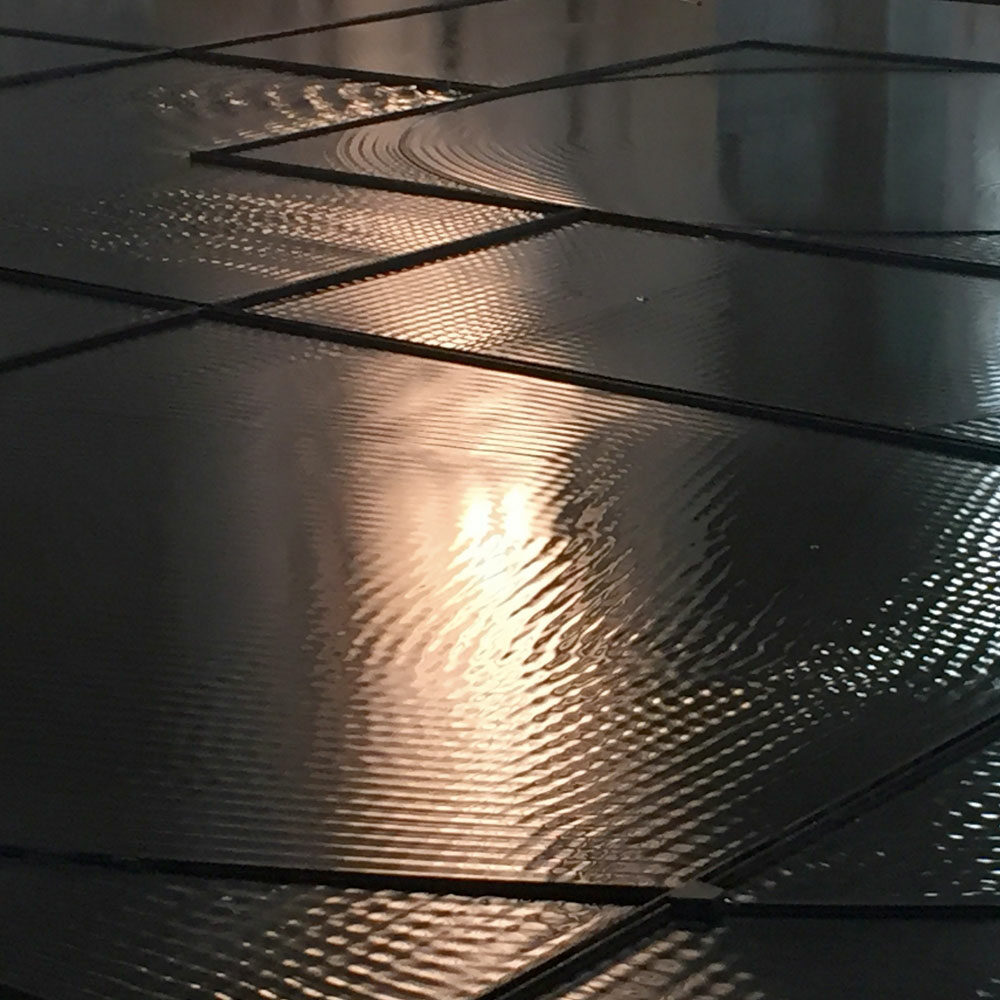
The Lights Which Can Be Heard – Le dernier son des aurores is a research and creation project about the sound of the aurora borealis, which has long been witnessed by various indigenous communities in the Arctic. Despite the many accounts, the Western scientific community denied their existence for decades until some hypotheses about their origin began to surface in the 1950s, but are still debated today.
Some believe that the natural VLF (Very Low Frequency) radio waves produced by the aurora borealis can be perceived in the observer/listener’s environment. Some natural elements (minerals or crystals) would act as receivers and transform the radio waves (electromagnetic) into the audible spectrum (acoustic). Without rejecting any hypothesis, it is this last one that caught Sébastien’s attention for his project.
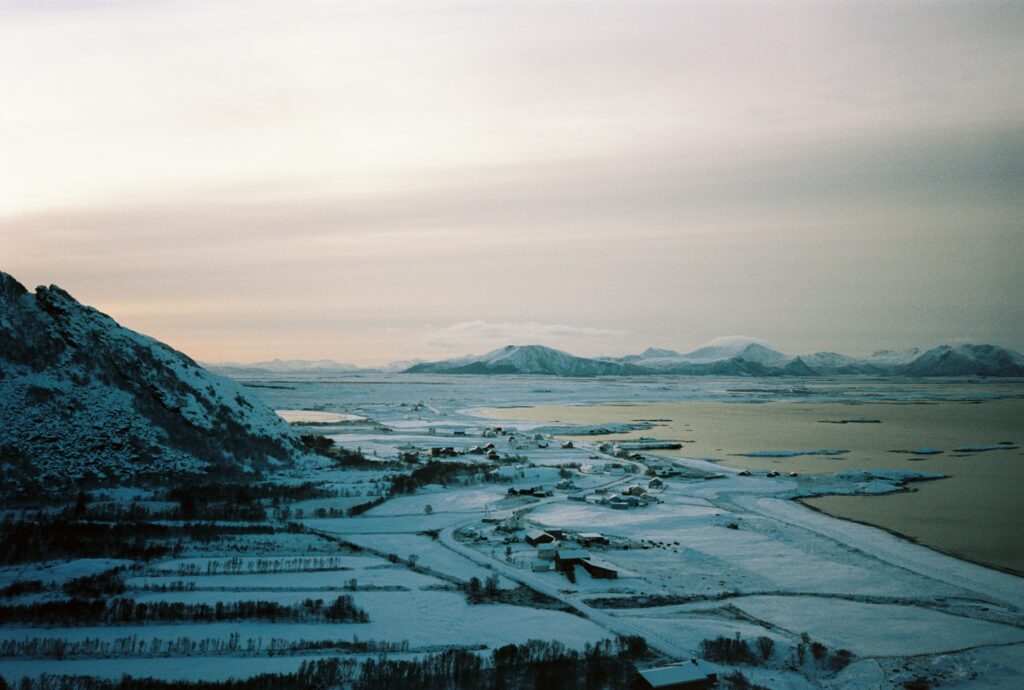
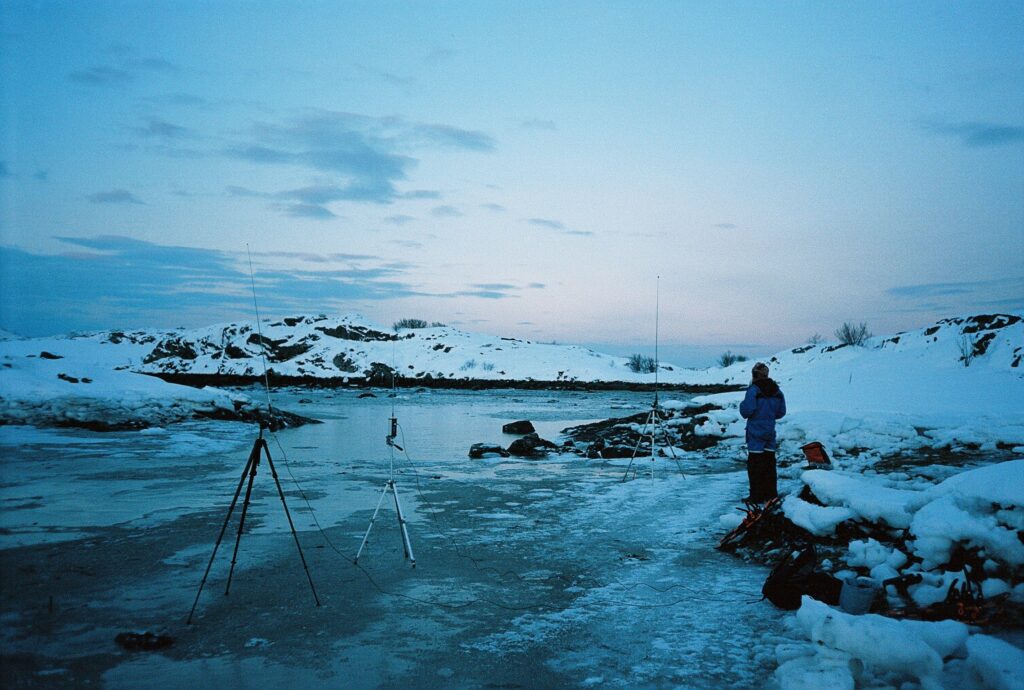
Despite successful recordings following a three-week residence on Andøya in Norway, Sébastien realised that the VLF waves emitted by the aurora are increasingly difficult to perceive because they are more and more drowned out by artificial signals. They are therefore bound to disappear. Inspired by this unique context, and in the continuity of his previous work, Sébastien is currently developing a body of work around this research, which will allow the audience to perceive the sounds of the aurora borealis while preserving them in light.
Share this event on social networks
Artist

Mawena Yehouessi (FR)
Mawena Yehouessi (née en 1990) est une curatrice, chercheuse et artiste dont la pratique s’ancre dans le collage, à la fois comme éthique et méthodologie d’émancipation collective.
Après des études en littérature, philosophie, gestion de projet et danse contemporaine, elle fonde en 2015 le collectif Black(s) to the Future, amorçant un travail à l’intersection de l’art, de la recherche et de l’activisme. Se décrivant comme une « collisionniste », elle explore les frictions et les connivences entre disciplines, formats et récits. En 2024, elle soutient la première thèse de recherche-création en Arts à la Villa Arson et à l’Université Côte d’Azur, intitulée Poïéthiques afrofuturistes : Trimer trames à l’intersection du collage et de la curation. Depuis 2025, elle enseigne à l’École nationale supérieure des Beaux-Arts de Lyon.
En Europe et à l’étranger, elle a conçu des expositions et programmes publics (Bétonsalon, La Box, Villa Arson, Fondation Ricard, Berghain/LAS…), tout en menant des activités pédagogiques, notamment à la HEAD–Genève et à l’ENSA Paris-Malaquais. Ses deux premiers films collectifs, Sol in the Dark et Joy Boy, sont présentés en avant-première à la 72ᵉ (2022) puis à la 76ᵉ Berlinale (2026), tandis que son travail visuel a été exposé, entre autres, au Beursschouwburg, à la Triennale de Dunkerque, Tanzhaus Zürich, deSingel et à l’IAC—Villeurbanne/Rhône-Alpes. Elle a également contribué à la traduction de plusieurs textes de Fred Moten en français, et ses propres écrits ont été publiés dans e-flux Architecture, A*Desk, Klima et The Funambulist et divers catalogues d’exposition.
Credits & mentions
Originally commissioned by STRP Festival
Creation realized in coproduction with the platform CHRONIQUES CREATIONS, supported by the DRAC Provence-Alpes-Côte d’Azur, the Région Sud Provence-Alpes-Côte d’Azur, the City of Marseille and the French Institute in Paris
With the financial support of Stroom Den Haag, DICRéAM, Fonds [SCAN] Auvergne-Rhône-Alpes, and Stimuleringsfonds Creatieve Industrie
With the intellectual support of The Royal Library of the Netherlands, The Tromsø Geophysical Observatory, Fiona Armery (University of Cambridge), Rob Stammes (Polarlightcenter), Harald Gaski (University of Tromsø ), Hans Ragnar Mathisen and Matti Aikio
With the technical support of Lucien Nicou (design + production), Leandros Ntolas (light + optics), Pim Kerssemakers (metalwork), Mark IJzerman (TouchDesigner) and Zois Loumakis (hardware + software)
Under the artistic supervision of Jean-Emmanuel Rosnet
Initiated during the Arctic Wave residency (Andøya, NO)
Partner: Les Méjanes – Bibliothèque et Archives Michel Vovelle